
I’ve endeavoured to trace the family line from the mid-19th century through to the life of my Grandmother, capturing not only names and dates, but the world in which they lived – one of rural labour, strong family ties, and gradual social change. I have managed to add a couple of old images left by my dear mother in an effort to bring a little life to the story.
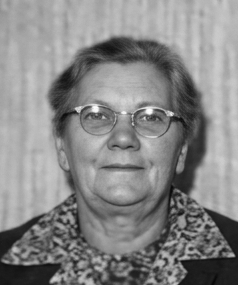
Vera Riona Cornish née Ridgeway
Earliest Known Ancestors
The Ridgeway story begins with:
George Smith Ridgeway (1841–1893) and Georgina Eveleigh Ridgeway (née Eveleigh-Gerrard) (1845–1880).
Both lived during the Victorian era, most likely at a time when Bishopsteignton was a working agricultural village overlooking the beautiful Teign Estuary. A time when life would have been shaped by the land, the church, and the rhythms of seasonal labour.
George Ridgeway would would have worked as a labourer or tradesman, contributing to the local economy through farming, or related work, an inherent trait in our family. Families of this period would have been typically large, and my assumption is that survival was dependent on hard work and cooperation.
However, Georgina’s untimely death in 1880, at just 35 years old, must have left a significant void in the family which in Victorian England, the loss of a mother would often of meant hardship, particularly in households with many children.
George married three times in total. Firstly to Georgina having five children Alfred, William, George, John and Charles. Then Ellen Scoble (1841-1866) having one child James, then finally Mary Huddison Lamphee (1862-1937) of which he had three children Frederick, Ernest & Francis.
A House Full of Sons
Their son from Georgina, my Great Grandfather William Richard Ridgeway (pictured below with wife Ellen) grew up in a large and busy household alongside his brothers:
- James Ridgeway (1864-1887)
- John J. Ridgeway (1869- ?)
- Alfred Ridgeway (1877- ?)
- Frederick Ridgeway (1888-1979)
- Ernest Ridgeway (1890-1972)
- George Ridgeway (1871-1893)
- Charles ‘Pinkham’ Ridgeway (1873-1957)
- Francis Ridgeway (1892- ?)
- William Ridgeway (1874- 1946)
They would have been a typical working family of the time—large, resilient, and closely tied to the village, and from a young age, the boys would have been expected to contribute to the household income, often beginning work in their early teens.
As they grew older, the brothers had likely spread across different trades or farms, but remained connected through family ties. But together, they established the Ridgeway name firmly within the local community.
William Ridgeway Marriage and Family Life
William married Ellen Larkworthy, another Devon family name with deep local roots, which I believe originated from the Colyton Raleigh area.
Their marriage represented the joining of two established village families, reinforcing community bonds and shared heritage. Life for William and Ellen would have been centred around raising their children and maintaining a household with limited means to support extended family nearby.
Family life in this period I’m guessing would have been practical and demanding, but also deeply interconnected, with relatives often living within walking distance.
One of those relatives Charles ‘Pinkham’ Ridgeway (my Great Great Uncle) was Williams brother who in my eyes led an interesting life in the village. Charles was born in 1873 and spent his early years in the village, beginning work at just 18 as an agricultural labourer while living at Mount Radford. At 22, he married an Amelia Parr, and together they started a family soon after. Their first child, a daughter named Augusta, was born in 1898 when Charles was just 25. A year later, in 1899, they welcomed a son, Stephen George, followed by another daughter, Mabel Jane in 1901. Sadly Stephen George was killed in action in France on 24th June 1918 aged only 19. I’m also led to believe, according to records, that Mabel Jane had a connection to Radway Stores after marrying a Leonard George Evans in 1922 aged just 20.
Over the years, it appears Charles’s working life had evolved; by the age of 38 he was employed as a domestic gardener, and by 48 he had become a smallholder, though I’m not quite sure where in the village. In later life, at 66, he even took on the role of publican at the Ring of Bells in 1939. Records appear to show he lived a long and industrious life in Bishopsteignton, sadly passing away in 1957 aged 84 at ‘Haldon View’ Ash Hill. Charles is buried alongside his wife Amelia just a few feet from my mothers grave in the top cemetery.
The Birth of Vera Riona Ridgeway
Into this environment was born my Grandmother Vera Riona Ridgeway (1905–1983) (pictured):
Vera entered the world at the beginning of the 20th century, during the final years of the Edwardian era—a time often remembered as peaceful before the upheaval of war.
Her childhood in Bishopsteignton most likely included a close knit community, regular attendance at school and church, and a strong relationship with her many uncles and extended family. And more so a structured daily life shaped by tradition.
Growing up surrounded by the Ridgeway family network gran would have known a strong sense of belonging and identity.
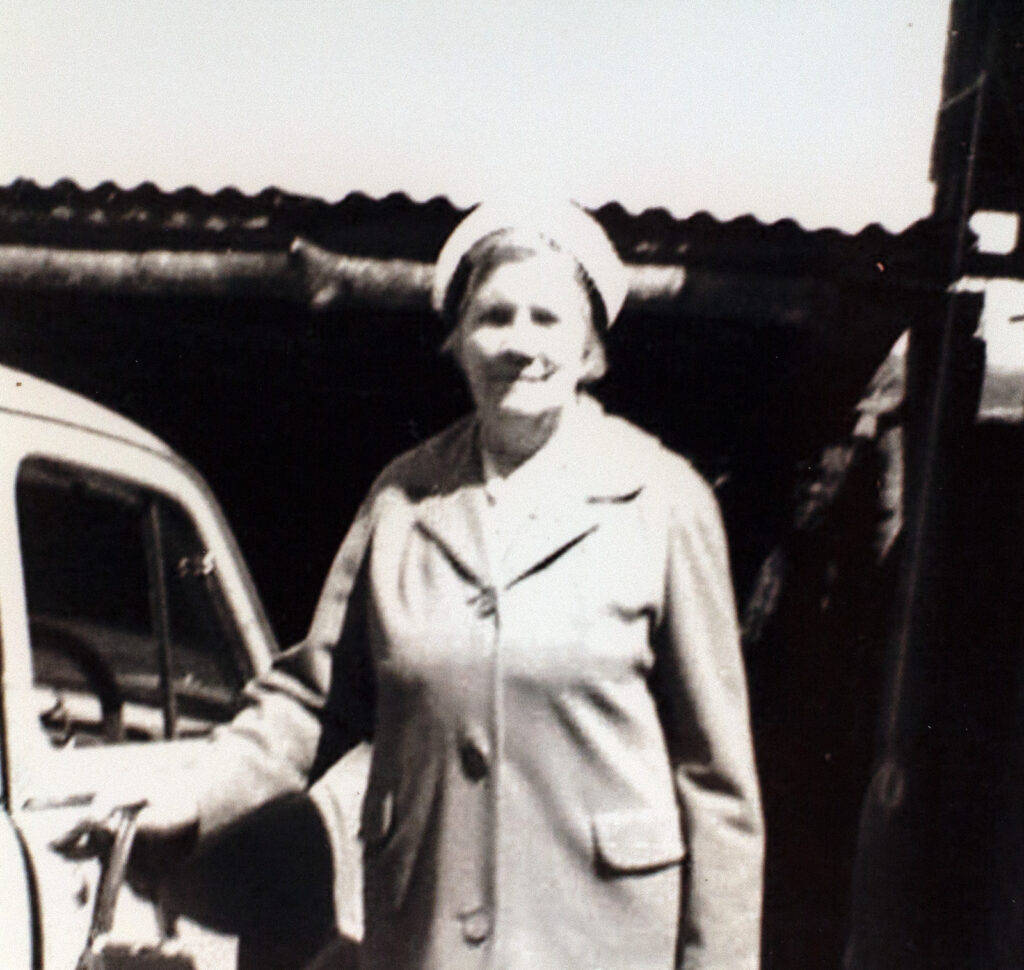
Photograph of Viera Riona Cornish
War and a Changing World
Gran's early life, however, would soon be overshadowed by global events.
The First World War (1914–1918)
As a young girl, Vera would have witnessed the impact of war on her community. I remember vividly my Mother telling me how Gran was shot at by a German aircraft near what is now ‘Jacks Patch’ after the aircraft had finished its bombing of Newton Abbot railway Station. Luckily Gran managed to dive out of the way, otherwise I would not be here to tell this story.
Men from the village—including members of her own family—went off to fight. Those who returned often came back changed; others did not return at all.
Of those not returning were my 2nd cousin twice removed Stephen George Ridgeway who was sadly killed in action in 1918 aged only 19. Stephen has a war grave in France, however, there is also a memorial to him at St Johns Church in the village alongside eight of my other Ridgeway relatives.
The war had brought nothing but loss and uncertainty, economic hardship and a shift in roles for both women and families.
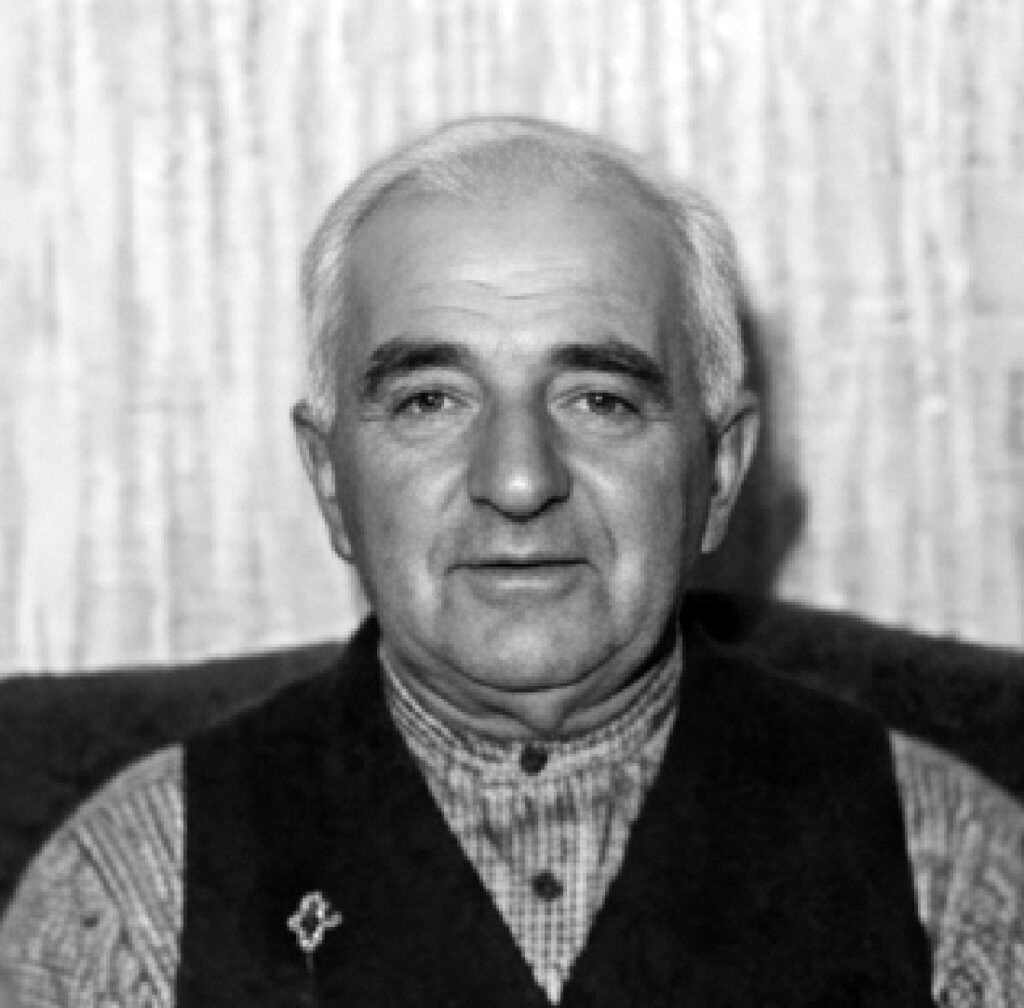
Photograph of Samuel John Cornish
Adult Life and Marriage
Vera later married Samuel John Cornish (pictured) and became Vera Riona Cornish.
This marked the beginning of a new chapter in her life, though her Ridgeway heritage remained an important part of her identity.
As an adult, she had lived through the interwar years witnessing gradual social change, rationing and community resilience alongside a post-war period which was bringing modernization and new opportunity.
The Ridgeway family continued to grow and extend into future generations.
Among Vera’s relatives were her brothers and extended Ridgeway kin.
Great uncles of mine such as Herbert Ridgeway pictured here, plus later descendants including Stephen George Ridgeway and Augusta Ridgeway are all buried at St Johns Church.
These individuals represented a continuation of the Ridgeway line beyond Bishopsteignton, as later generations began to move further afield.
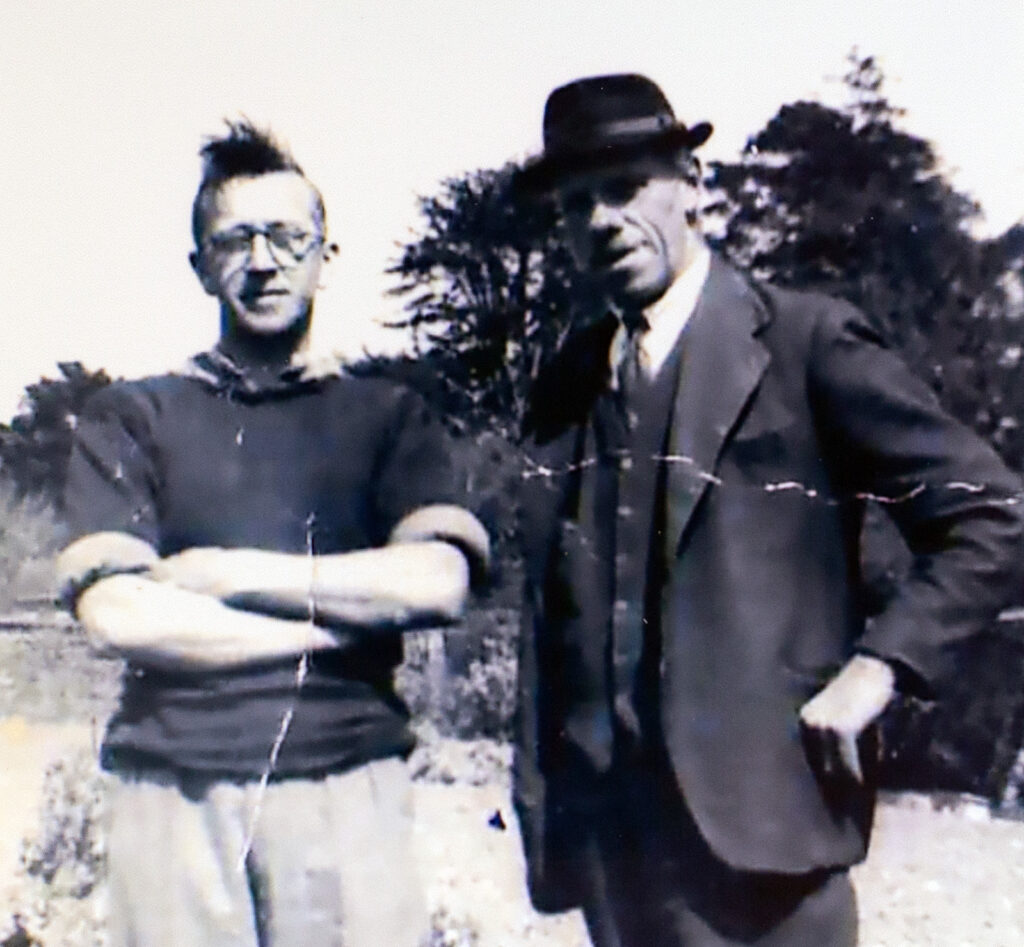
Photograph of Herbert Ridgeway
Legacy
The Ridgeway family story to me comes across as one of continuity, resilience, and deep local roots.
From George and Georgina in the 19th century to Vera in the 20th, the family experienced the realities of Victorian rural life, the upheaval of two world wars and a gradual transition into a new modernising Britain. And through it all, they remained connected by family, community and a shared history.
Conclusion
The story of my Gran ‘Vera Riona Cornish’ and the ‘Ridgeway’ family to me has been more than a record of names and dates. It has been a reflection of village life in Devon across generations, which in this context has focused on just our village of Bishopsteignton—a story of ordinary people whose lives were shaped by work, family, and the changing world around them.
For me, and I hope those reading, their legacy can live on through their descendants, and through the enduring connection to the place they once called home.