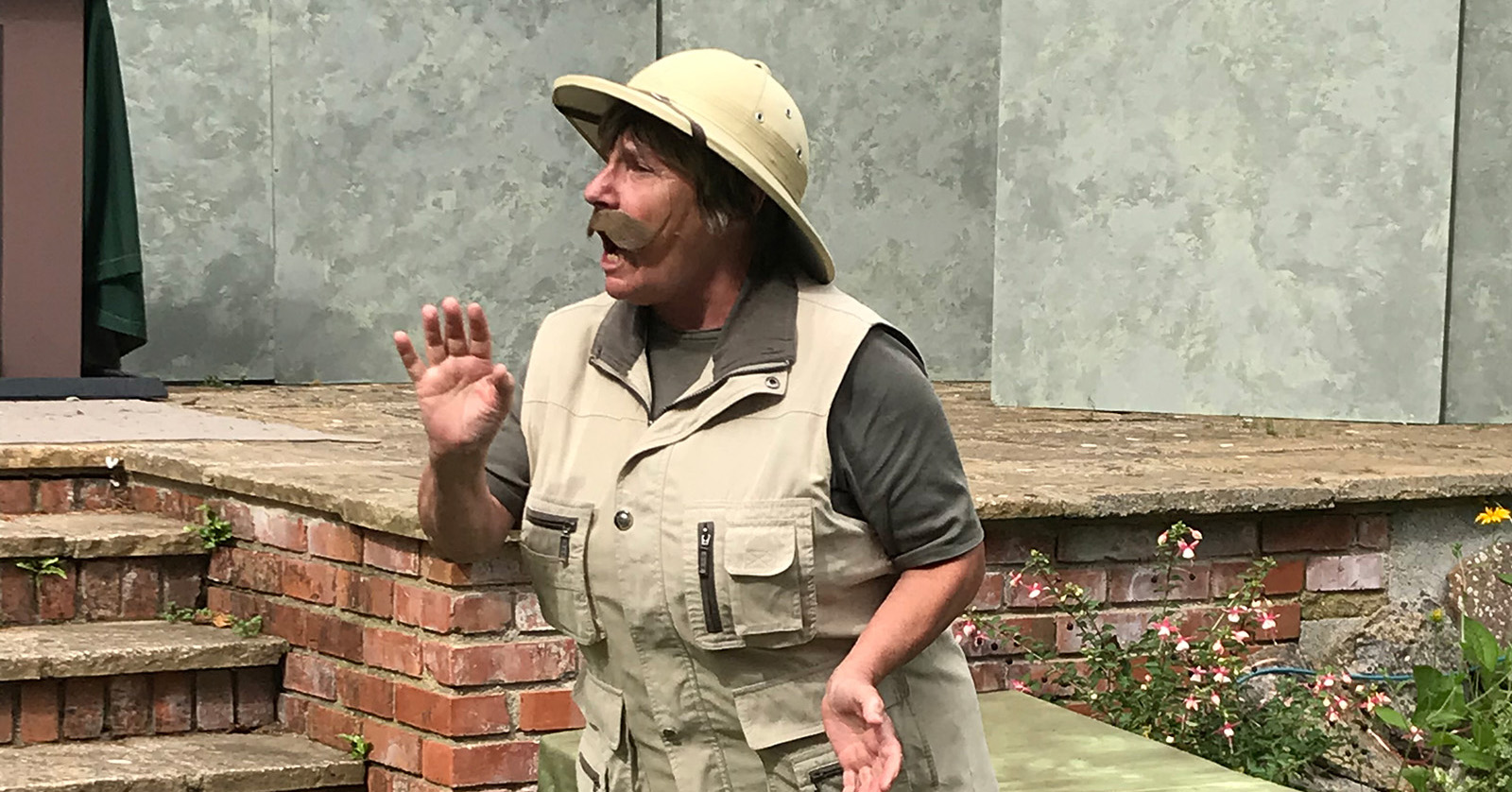
Following on from Colin Back’s BH piece in the March issue of the Parish Chronicle, this month guest contributor and...

Browse all of our articles here, or for a more refined search visit People, Places, Events, Environment.

Following on from Colin Back’s BH piece in the March issue of the Parish Chronicle, this month guest contributor and...

A history of the Cornish family heritage in Bishopsteignton by tracing a continuous lineage from the mid-17th century through to late 19th century in the county of Devonshire.

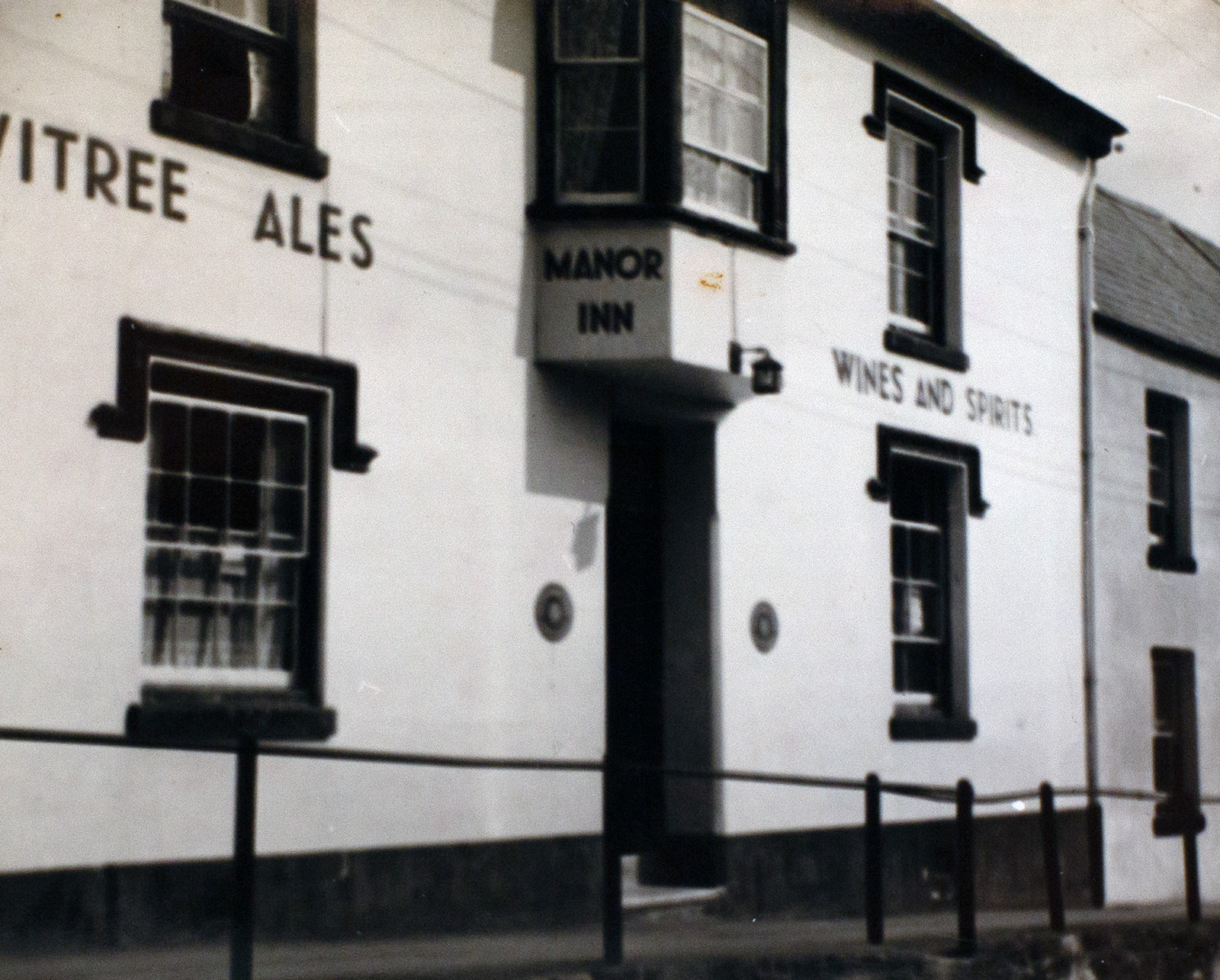
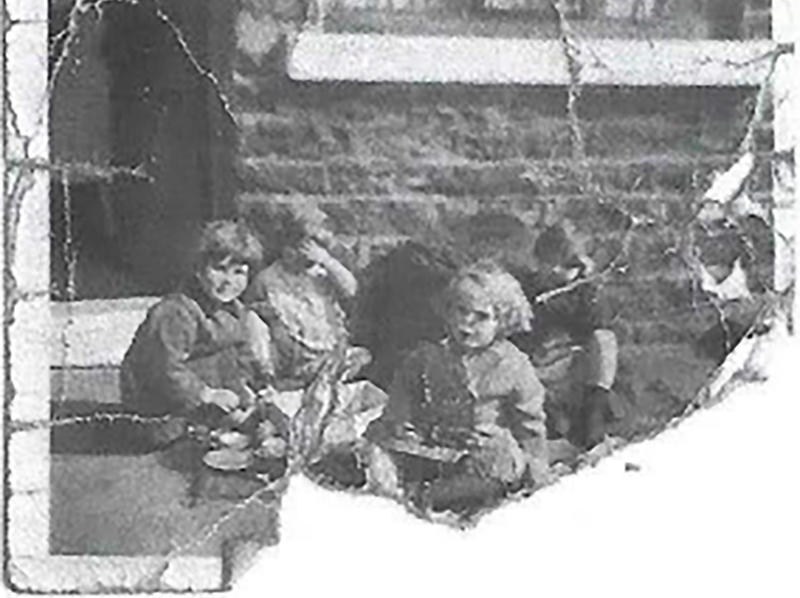
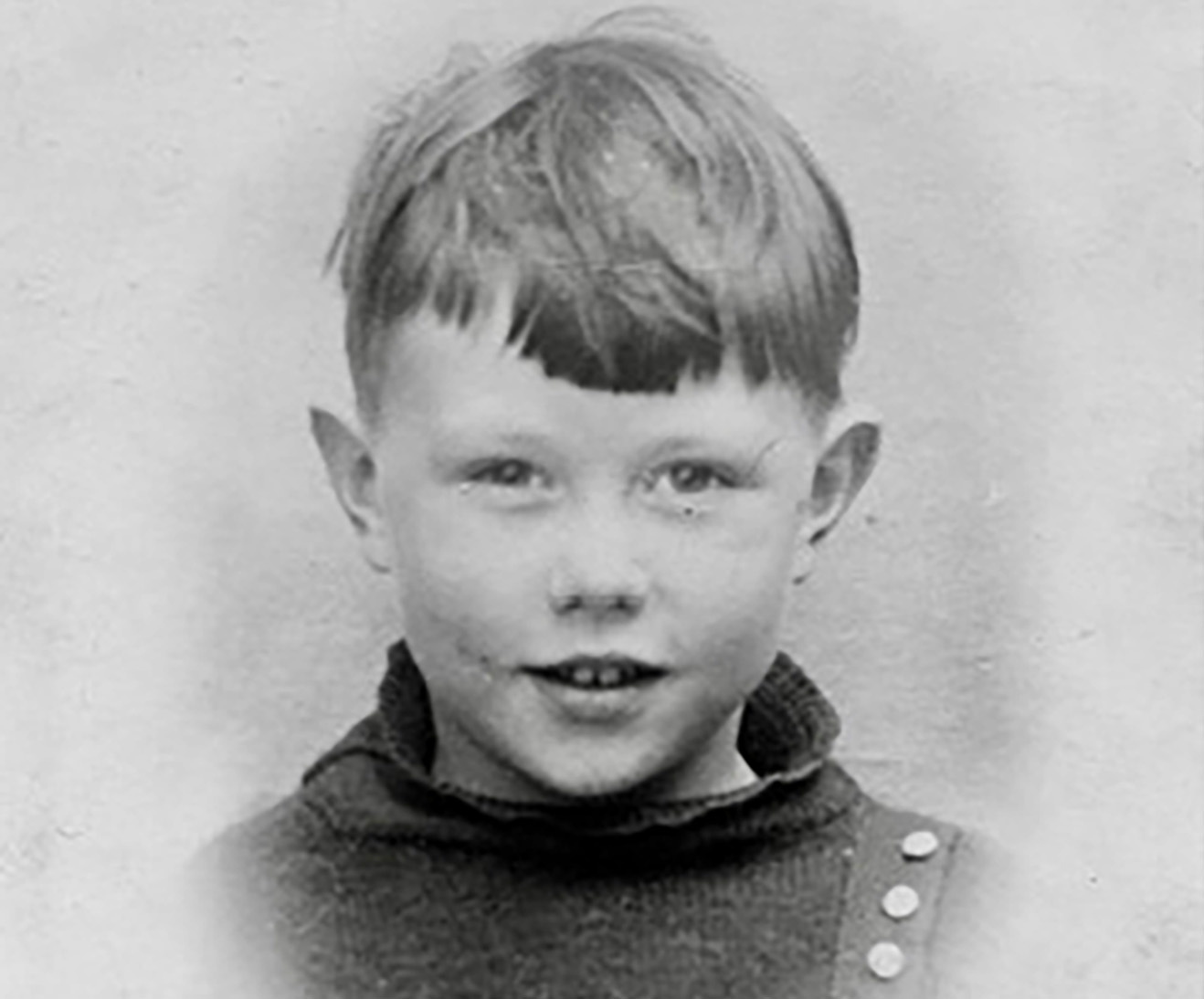
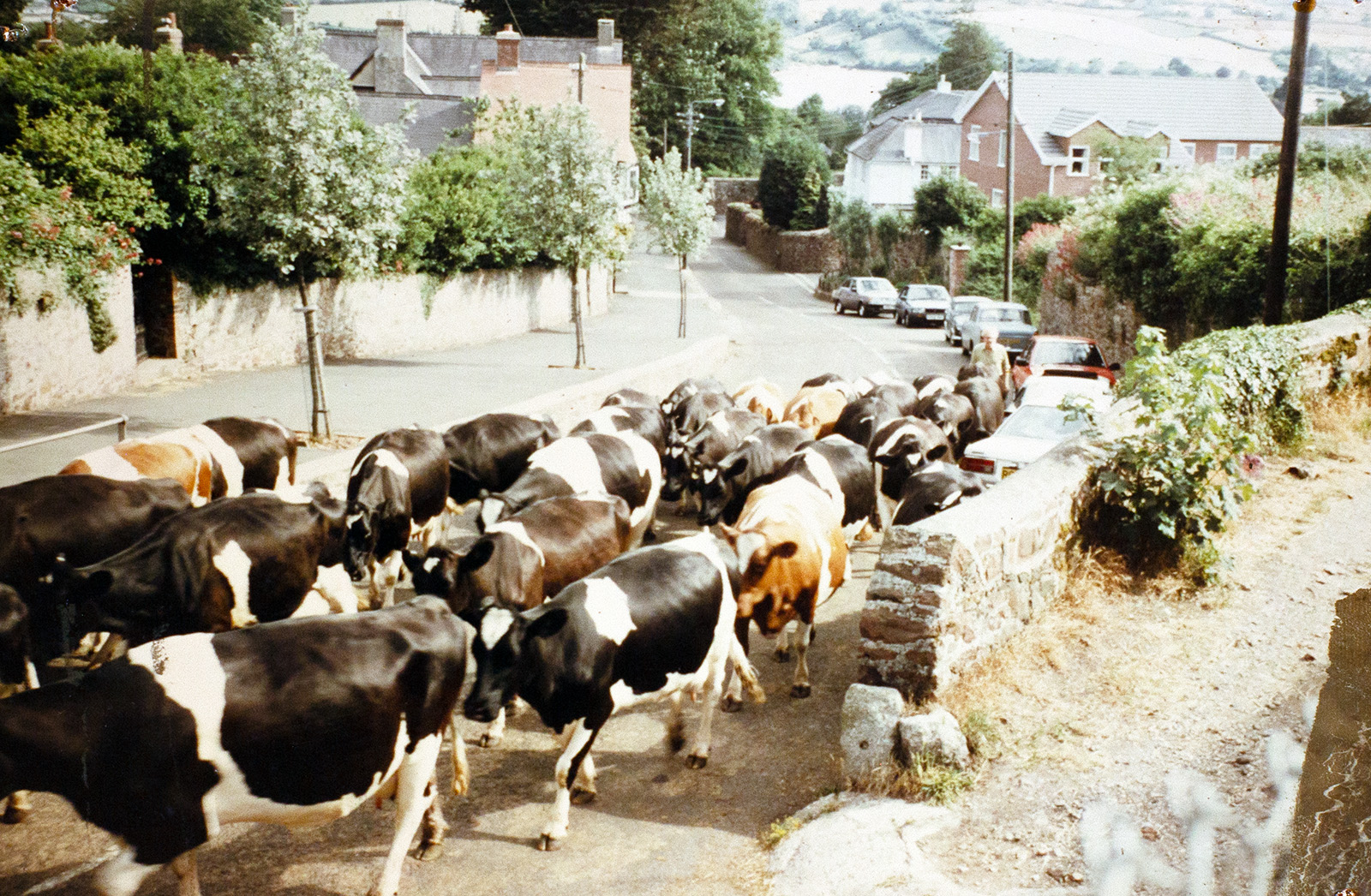
Although Tim Newton was not actually born here he certainly grew up in the Parish with some notable characters. Here he tells his story of being raised in Bishopsteignton…
June and July brought us a couple of heatwaves almost matching the drought conditions of 1976. A couple of fans...
This article highlights the life of Mary Overill during her younger years, her incredible war activities durng WWII and then her married years before starting a family and eventually ending up in Bishopsteignton, where she lived from 2006 until her passing at almost the age of 104. This story was written by her daughters Diane and Linda forming the eulogy read by the minister at her funeral in 2026.
As the village recovers from the drama of the main road closures in June BH presses on regardless. The month of May...
Captain John Hore was born in Bishopsteignton in 1806 to parents John Hore (born 1775) and Jane Gilbert (born 1781), and was baptised at the Parish Church. He joined the British Merchant Service as a boy of 13, and by the age of 24 he was a Ship’s Captain. His voyages are documented over several years from the 1830s to the 1850s, identified by his Merchant Navy number 10330. and later by his Master Mariner’s Certificate number 41,529. He sailed to Newfoundland and Lisbon, Portugal in the North Atlantic triangular trade for cod, from the Ports of Teignmouth and Exeter, and was also involved in the coastal trade around the British Isles.
Now that I have some spare time on my hands, I thought it apt to extend from my previous articles ‘Rooted in the Land: The Cornish Family of Wolfsgrove and Beyond’ and ‘The Cornish Family Name’ by telling what I know of my Grandmother and the Ridgeway family’s presence in the village, who appeared rooted for generations in our lovely Devon village.
Between 1200-1600, Bishopsteignton was a bishop-controlled estate on the River Teign, closely linked to Teignmouth, as ‘West Teignmouth’ formed part of its parish. In 1200 this area along the estuary was called ‘Teynton’, from the Anglo-Saxon ‘Tain’ or ‘Taintona’ meaning ‘water’.

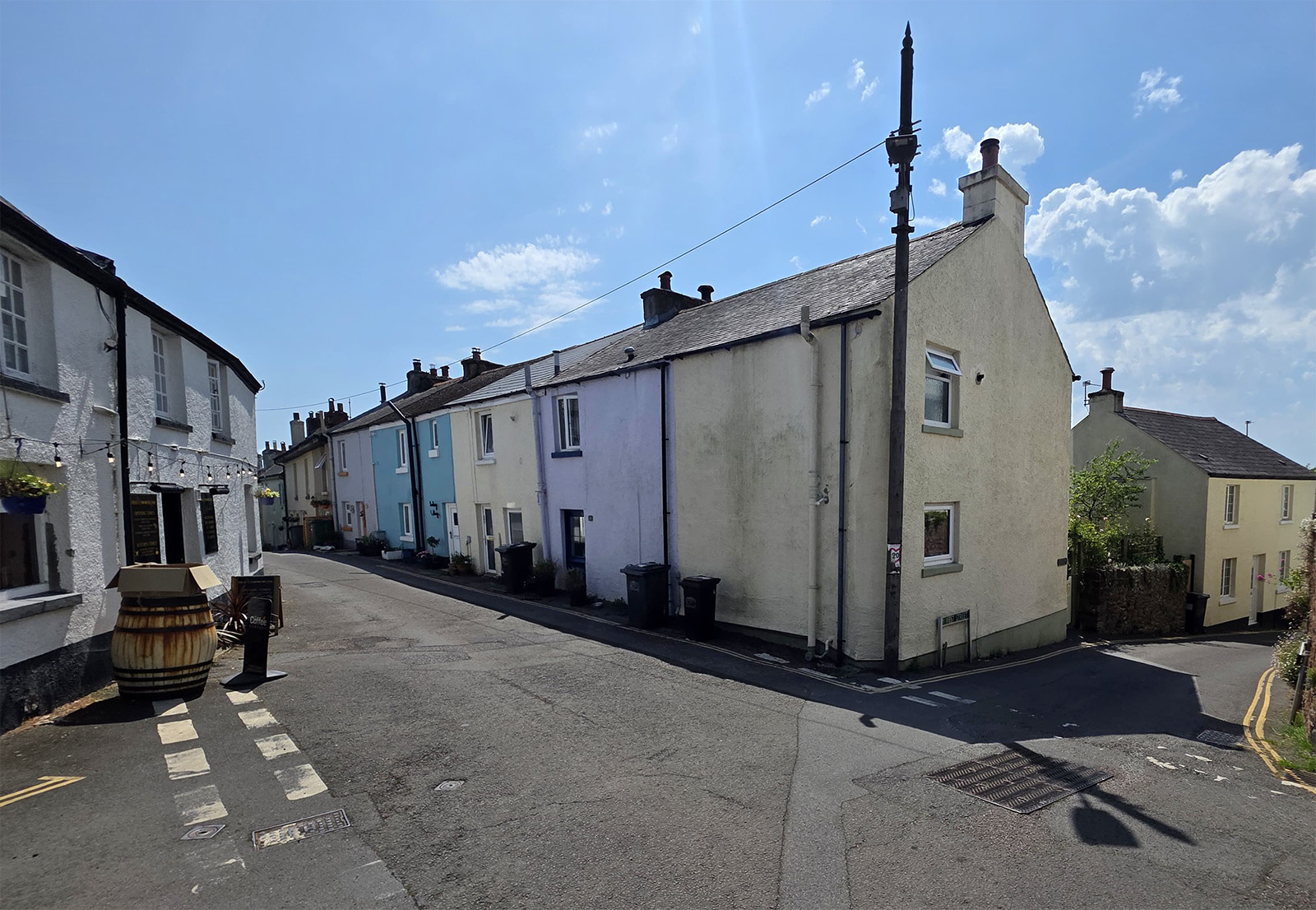
Fulford Cottages are located at the top of Clanage Street, opposite the Old Commercial Inn, although they are no longer referred to as such. Fulford Terrace was another name for them but they are now incorporated into Clanage Street with one of the cottages, Church Cottage, being in West Street.
Following on from Colin Back’s BH piece in the March issue of the Parish Chronicle, this month guest contributor and...
A history of the Cornish family heritage in Bishopsteignton by tracing a continuous lineage from the mid-17th century through to late 19th century in the county of Devonshire.
Although Tim Newton was not actually born here he certainly grew up in the Parish with some notable characters. Here he tells his story of being raised in Bishopsteignton…
At the time of writing, I am making two assumptions. One, the spring weather has arrived and secondly that the Colin...
In the rolling countryside of Bishopsteignton , where fields stretch toward the edge of the River Teign and beyond, farming has long shaped the rhythm of life, with the Cornish family establishing deep and lasting roots…
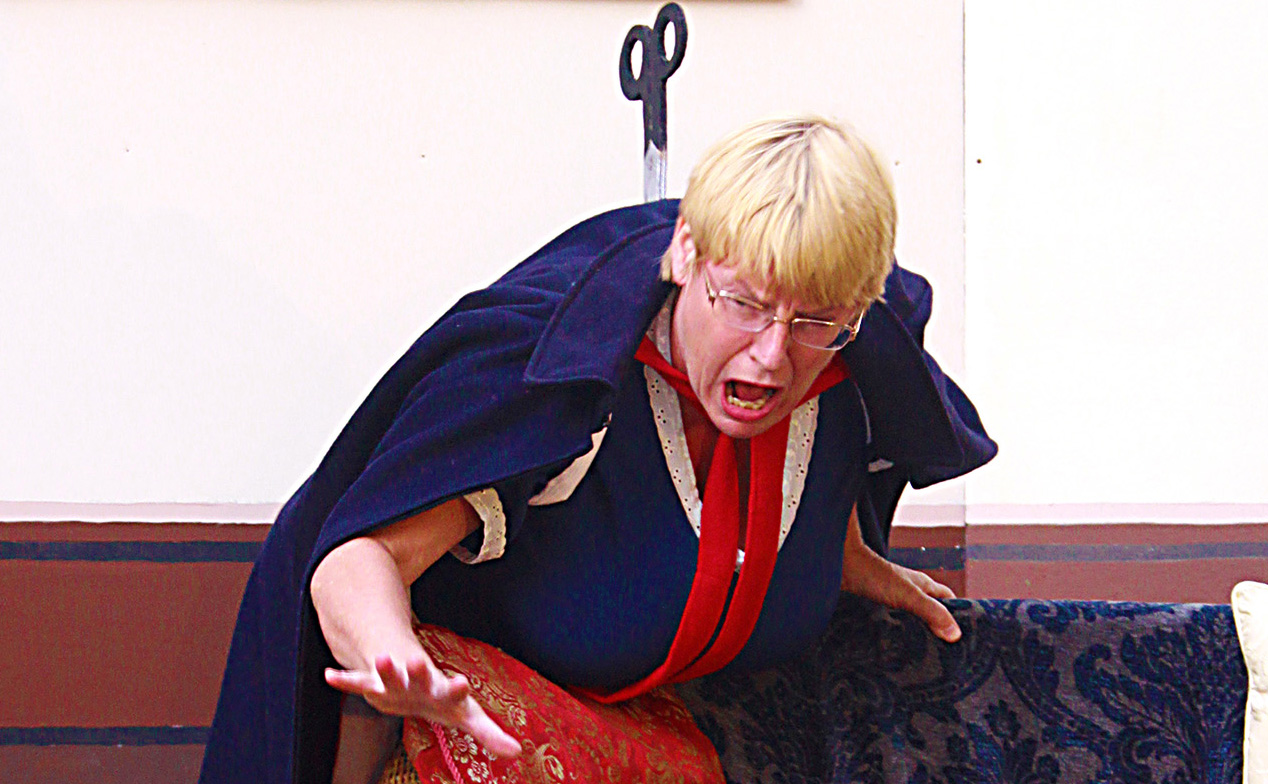
. Early in 2019, we started planning another evening of one act plays and this was very exciting as Jess and...
We are giving Dave a month off for the March issue – don’t worry he’ll be back! Instead, we are using the opportunity...
This beautiful photograph, taken by Ann Waller on West Furlong in Bishopsteignton, tells us much about the feeding habits and the sociability of this bird. The goldfinch is one of the most common garden birds in the UK; in fact, the goldfinches’ fondness for niger and sunflower seeds in garden bird feeders is seen as one of the reasons for their strong increase in population since 1995: monitoring between 1995 and 2023 showed an increase of 152%.
“Winter draws on” is not a statement of intention from a pantomime dame but indeed is a reference to our dark and cold...
As our new year’s resolutions wain – from joining a gym to having a non alcoholic January – Bishopsteignton Heritage looks forward into 2026.
It reminds me of having a new ‘jotter’ or new book at school where the handwriting on the fresh new page was orderly and neat. The back pages were a scrawl….
There is certainly no lack of commitment and drop of standards at BH.
The common toad is one of only two toads native to the UK; the other toad is the natterjack, which is smaller than the common toad, much rarer, and tends to live in coastal areas, in sand dunes and sandy heaths. With photographs taken by Sally Murray, as she was preparing to clean out a plant pot in her garden near Ash Hill in Bishopsteignton, here are some other things you may not know about English toads…